SOCAL RAGDOLLS JOURNAL
How to Introduce a Ragdoll Kitten to an Older Cat or Resident Dog
A practical, step-by-step plan for introducing a Ragdoll kitten to an older cat or resident dog, using separate spaces, scent swapping, and short supervised meetings.
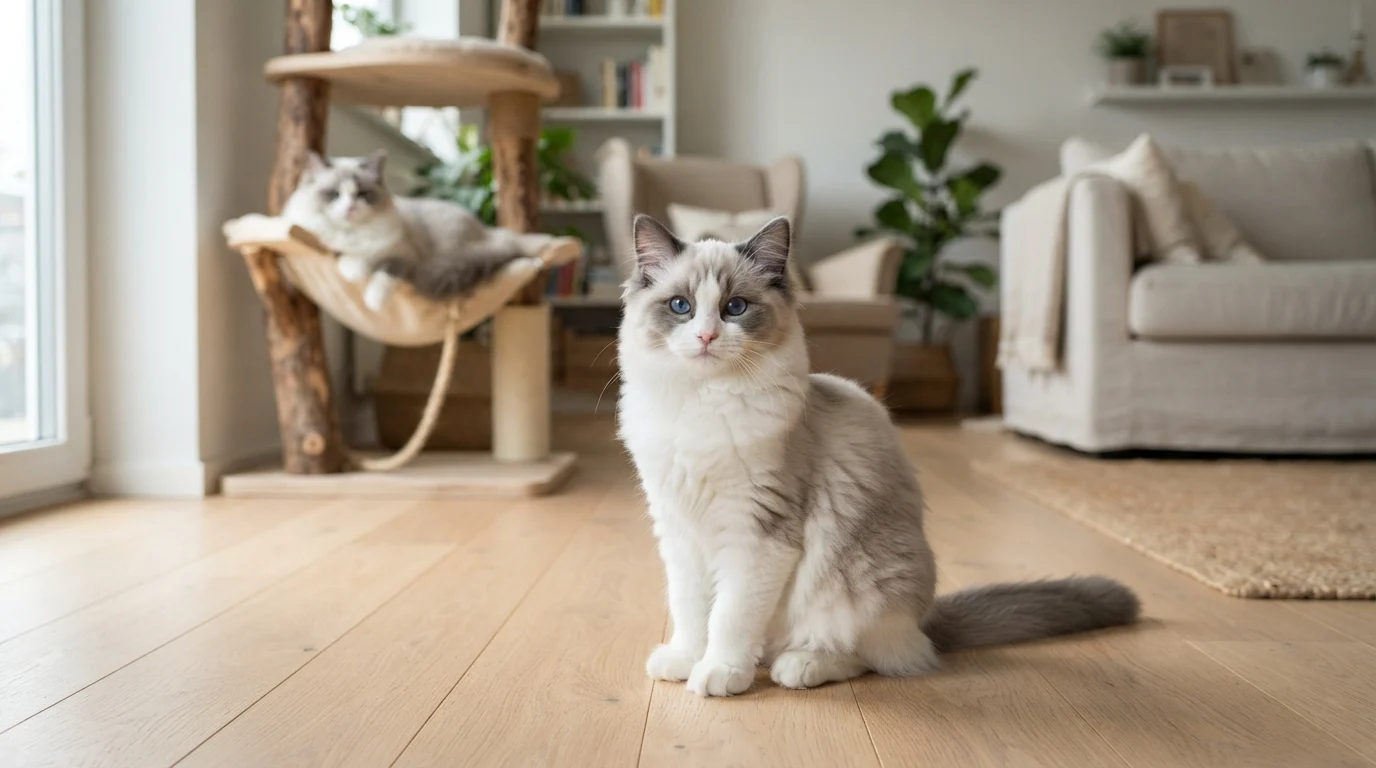
Bringing home a new Ragdoll kitten is exciting for you. For your older cat or dog, it can feel like a stranger just moved into the house. Pets rely on territory, routine, and scent to feel secure, and a bouncy, curious kitten disrupts all three at once.
The good news is that a thoughtful, gradual plan makes a big difference. If you want to introduce a Ragdoll kitten to an older cat, or to a dog who already rules the living room, the goal is simple: let everyone learn about each other in small, low-pressure steps instead of one overwhelming meeting.
Why Slow Introductions Work Better
Cats communicate largely through smell, body language, and distance. A face-to-face meeting on day one skips the most important part of that process. When a resident pet feels cornered or surprised, hissing, swatting, or chasing can follow, and those first impressions can linger.
Ragdolls are generally described as gentle and sociable, and many adapt well to other pets. But breed tendencies are not guarantees. Your kitten may be bold or shy, and your older cat may be welcoming or territorial. For more on typical breed personality, see our article on Ragdoll temperament and affection.
Kittens also come to you with their own needs. At SoCal Ragdolls, kittens are not released to their new homes before 12 weeks of age, which gives them time with their mother and littermates to develop early social skills. Even so, a new home is a big change, and your kitten will need time to adjust. Our guide on how long it takes a Ragdoll kitten to settle in can help set expectations.
Before the Kitten Comes Home
A little preparation prevents many problems.
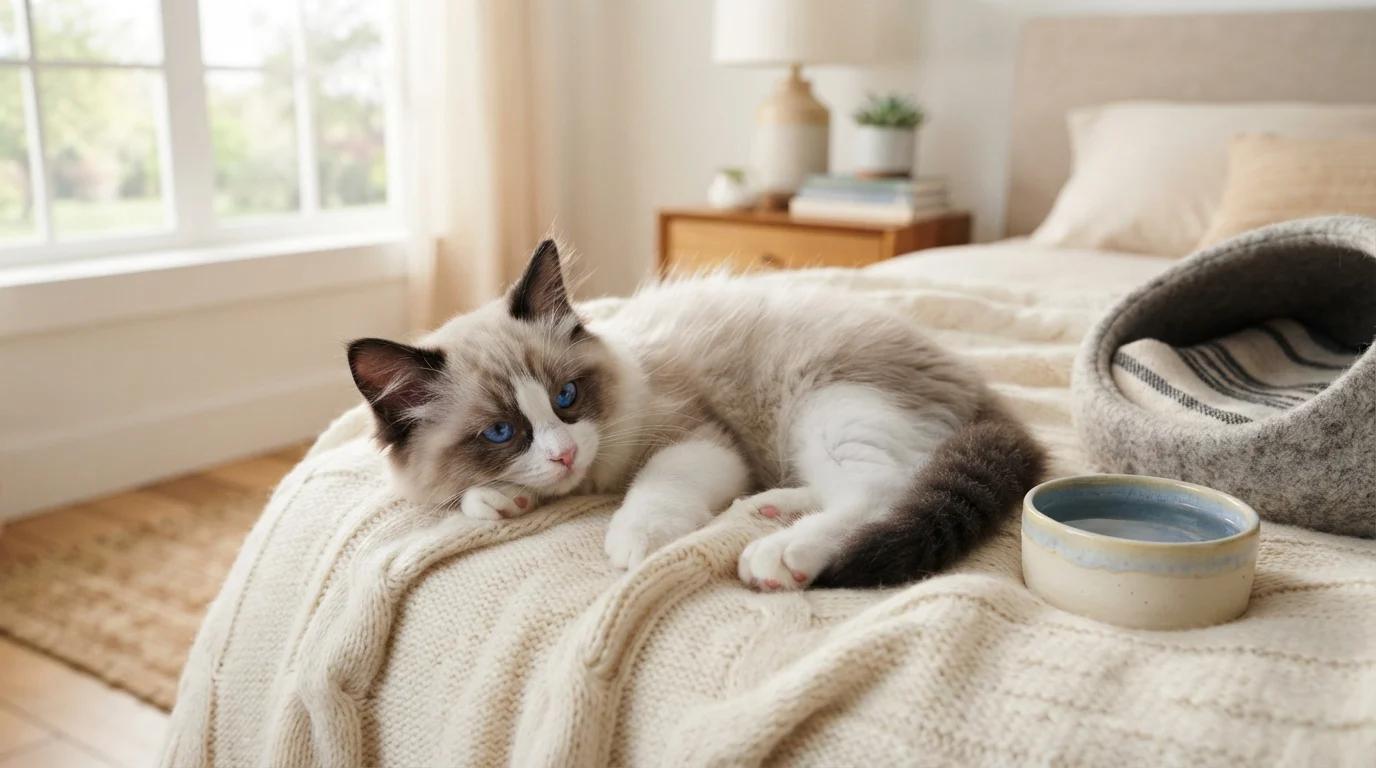
- Choose a base room. A spare bedroom or quiet office works well. It should have a door that closes fully.
- Stock the room. Include a litter box, food and water, a bed, a scratching post, and a few toys. Our kitten supply checklist covers the essentials.
- Keep your resident pet’s routine steady. Feed meals, play, and give attention at the usual times.
- Check your veterinary plans. Ask your veterinarian when the kitten should be examined and how to keep everyone’s vaccinations and parasite prevention appropriate before they share space.
For a wider look at getting your space ready, read how to prepare your home for a Ragdoll kitten.
Step 1: Start With Separate Spaces
When you arrive home, take the kitten straight to the base room and let them explore. Sit with them quietly, offer food, and let them decompress. Your older cat or dog will know something has changed, and that is fine. Resist the urge to rush.
Spend time with your resident pet too. Offer treats, play, or cuddles so the new arrival is linked with good things rather than lost attention.
Most households spend at least several days at this stage, and many benefit from longer. There is no prize for speed. Let your animals’ behavior, not the calendar, tell you when to move on.
Step 2: Swap Scents
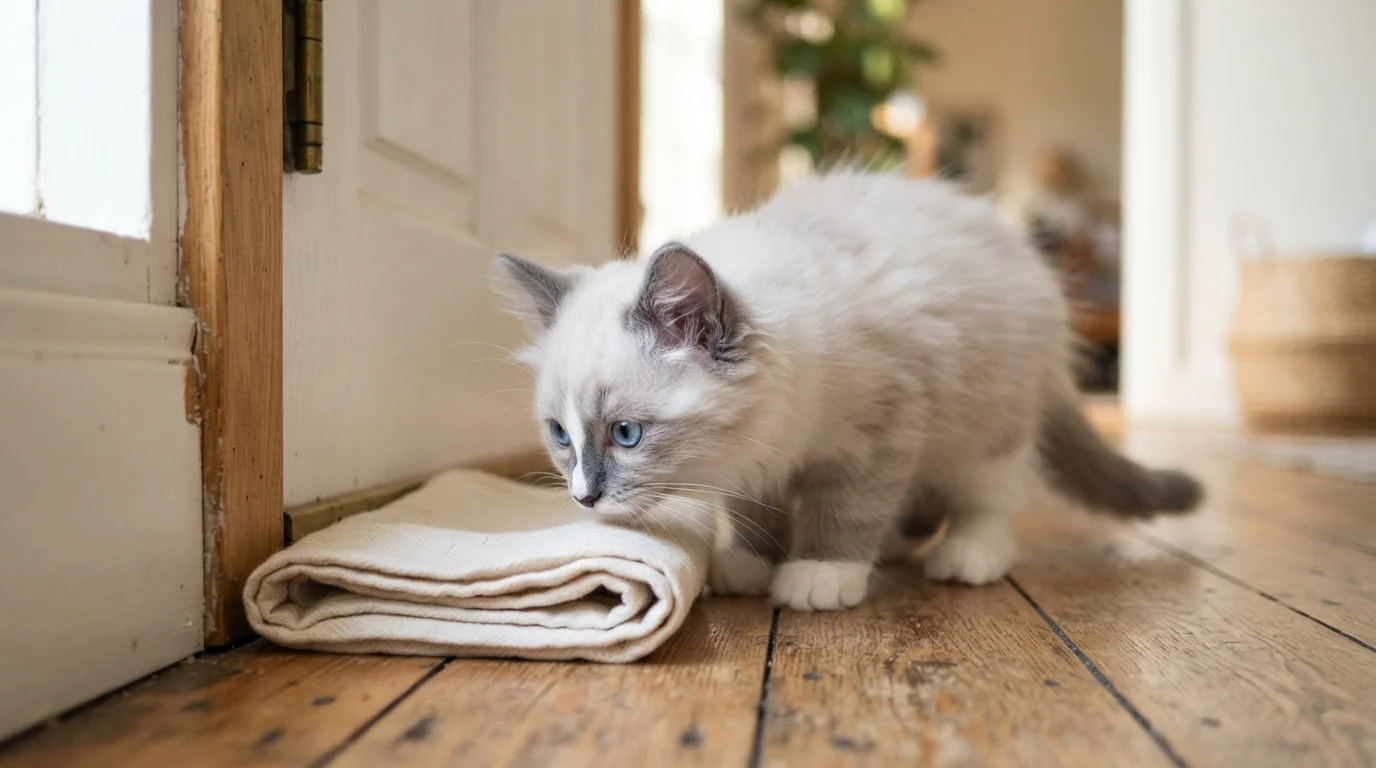
Scent is a cat’s first introduction. Without any face-to-face contact, you can let each pet learn the other’s smell.
- Rub a soft cloth gently on the kitten’s cheeks and body, then leave it near your older cat’s food bowl or favorite resting spot.
- Do the same with a cloth from your resident cat or dog and place it in the kitten’s room.
- Swap bedding briefly if both animals seem comfortable with it.
- Let the kitten explore the rest of the house while your resident pet is in another room, and then reverse it.
Watch the reactions. Curious sniffing, a relaxed posture, or ignoring the cloth are good signs. Growling, hissing, flattened ears, or avoiding the cloth altogether suggest you should slow down and try again with something positive, like a treat nearby.
Step 3: Meet Through a Barrier
Once both animals seem calm about each other’s scent, allow them to see each other without direct contact. Options include:
- A baby gate or a tall pet gate (keep in mind kittens can squeeze through or climb).
- A door cracked open and held with a doorstop or a secure door strap.
- A screen or see-through barrier.
Keep these sessions short, just a few minutes, and pair them with something enjoyable like a meal, a treat, or a feather wand. Feeding both pets on opposite sides of a barrier, and gradually moving the bowls closer over several sessions, is a gentle way to build positive associations.
Step 4: Short, Supervised Meetings
When barrier meetings go smoothly, try brief, supervised time in the same room. Keep the first sessions to a few minutes and end while things are still calm.
Setting up a meeting with an older cat
- Offer multiple escape routes and high perches so your older cat can leave if they want to.
- Have a second person if possible, so each pet has someone calm to focus on.
- Distract with play. A wand toy lets both cats interact with the toy rather than each other.
- End the session before tension builds, then separate them calmly.
Some hissing or a quick swat can be part of normal cat communication as boundaries are set. The concern is persistent stalking, pinning, screaming, or one cat constantly being cornered.
Setting up a meeting with a resident dog
Dogs need extra care, because even friendly play can be too rough for a small kitten.
- Keep the dog on a leash for early meetings and reward calm behavior.
- Let the kitten stay in a carrier, behind a gate, or on a high surface at first.
- Practice commands like “sit,” “stay,” and “leave it” ahead of time.
- Never leave a dog and kitten alone together until you are fully confident in how they behave, and for a long time after that for a young kitten.
Dogs with strong chase instincts need particular caution. If your dog stares fixedly, lunges, or can’t settle, return to earlier steps and consider help from a qualified trainer or behavior professional.
Signs Things Are Going Well
- Relaxed bodies, soft eyes, and slow blinking
- Curious sniffing without stiffness
- Normal eating, drinking, and litter box use
- Playing near each other or ignoring each other calmly
- Willingness to share space, even at a distance
Signs to Slow Down
- Persistent hissing, growling, or spitting
- Stalking, chasing, or pinning
- Hiding for long periods, or refusing to eat
- Litter box avoidance or new marking behavior
- A dog who fixates, barks intensely, or can’t be redirected
If you see these, go back to the last step where everyone was calm and stay there longer. Setbacks are common and not a sign you’ve failed.
If a fight breaks out, don’t reach in with your hands. Make a loud noise, toss a soft blanket, or use a barrier to separate them safely, then give both animals time to calm down.
Making the Home Work for Both Pets
Resources matter. Give each cat their own litter box, food and water stations, beds, and perches, ideally in more than one location. A common guideline is one litter box per cat plus one extra, though your veterinarian can advise for your household.
Vertical space helps, too. Cat trees and shelves let a cat watch from above, which can reduce tension. Keep your older pet’s favorite spots off-limits to the kitten at first if you can.
Ragdoll kittens are playful and may follow older pets around, which an older cat might find tiring. Scheduled play for the kitten helps burn off energy, and quiet retreat spaces help your senior pet recover. Also keep your home safe for a curious kitten, including checking plants. See our list of toxic plants for Ragdoll cats.
When to Ask for Professional Help
Many introductions take weeks, and some take longer. Contact your veterinarian if either animal stops eating, seems unwell, or shows sudden behavior changes, since stress and illness can look alike. If tension, aggression, or fear continue despite a slow approach, a veterinarian or qualified animal behavior professional can assess your specific pets and suggest a plan. Please don’t try to treat behavior problems with medication or home remedies without professional guidance.
A Calm Start Builds Lasting Peace
Introducing a Ragdoll kitten to an older cat or a dog is mostly an exercise in patience. Separate spaces, scent swapping, barrier meetings, and short supervised visits give each animal time to adjust at their own pace. Watch their body language, celebrate small wins, and don’t be afraid to take a step back.
If you’re thinking about adding a Ragdoll to a home with other pets, you’re welcome to view the Available Kittens section, learn about upcoming litters, or contact SoCal Ragdolls with questions about your household. You can also browse more guidance in our Articles.
Frequently asked questions
How long does it take to introduce a Ragdoll kitten to an older cat?
There is no fixed timeline. Some pairs relax within days, while others need several weeks or longer. Move forward only when both animals stay calm at each step, and slow down if you see hissing, hiding, stalking, or refusal to eat.
Can a Ragdoll kitten live with a dog?
Many Ragdolls live happily with dogs, but every animal is an individual. Use gradual, supervised introductions, keep the dog leashed at first, and give the kitten safe spaces the dog can't reach. If the dog fixates or chases, consult a behavior professional.
Should I let my cat and new kitten fight it out?
No. Letting animals fight can create lasting fear or aggression. If you see serious conflict, calmly separate them without using your hands, return to earlier steps, and seek guidance from your veterinarian or a qualified behavior professional if tension continues.