SOCAL RAGDOLLS JOURNAL
Are Ragdoll Cats as Affectionate as They Say? Breed Temperament Explained
Ragdoll cats are celebrated for their gentle, devoted personalities. Learn what makes the ragdoll cat breed uniquely affectionate and how their behavior compares to dogs.
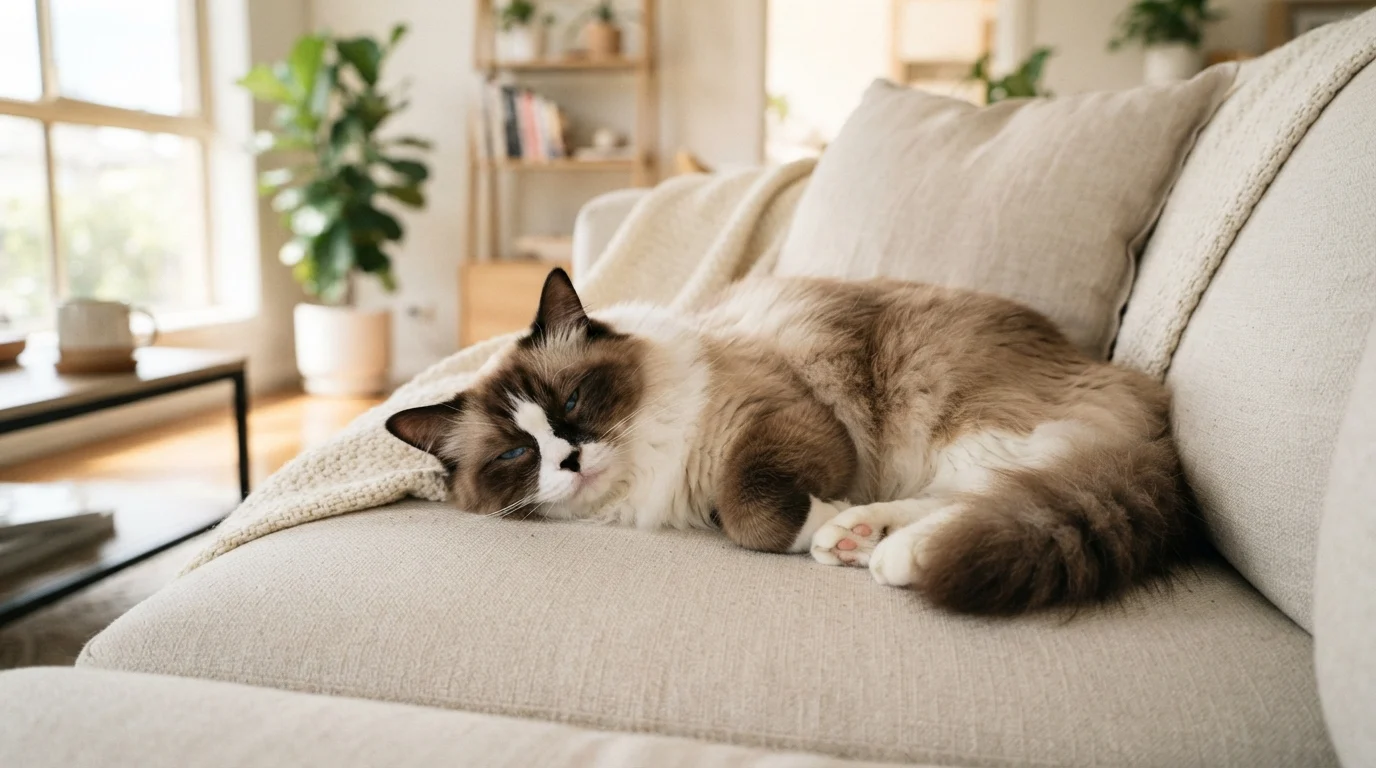
If you have spent any time researching popular cat breeds, you have almost certainly encountered glowing descriptions of the Ragdoll. Enthusiasts describe them as docile companions that collapse into your arms, follow you from room to room, and greet you at the front door like welcoming puppies. But when a cat breed develops a near-legendary reputation for gentle, lap-loving loyalty, prospective pet parents naturally wonder: are Ragdoll cats truly as affectionate as everyone claims, or is it largely internet exaggeration?
The short answer is yes. The ragdoll cat breed genuinely lives up to its reputation as one of the most docile, human-focused domestic cats in the world. However, understanding why they behave this way—and recognizing how nurture, genetics, and environment influence their behavior—will help you understand what life with a Ragdoll is really like.
The Origin of the Affectionate Ragdoll Demeanor
The gentle nature of the Ragdoll is not an accident; it is the direct result of intentional selection. The breed was originally developed during the 1960s in Riverside, California, by a breeder named Ann Baker. Unlike many traditional cat breeds selected primarily for coat pattern, eye color, or athletic agility, early Ragdoll breeding placed immense emphasis on temperament.
Foundational cats were chosen specifically for their calm temperaments, low reactivity, and propensity to go limp with contentment when held—a charming trait that inspired the name “Ragdoll.” Over decades of careful breeding, dedicated fanciers preserved this peaceful, companion-oriented temperament alongside the breed’s striking colorpoint coats and vivid blue eyes. You can explore the fascinating roots of this Southern California heritage in our article on the history of the Ragdoll cat and its California origins.
Are They Truly “Puppy-Cats”?
One of the most frequent comparisons made by Ragdoll owners and breed historians is that the Ragdoll behaves far more like a dog than a stereotypical feline. For prospective owners trying to decide why you should consider a Ragdoll for your family, this puppy-like behavior is often the deciding factor.
Here are several everyday behaviors where Ragdolls showcase their distinctive, canine-like devotion:
- The Doorstep Welcome: While many domestic cats stay asleep under a bed when their owners arrive home, Ragdolls frequently trot to the entryway, chirping gently and rubbing against your ankles to welcome you back.
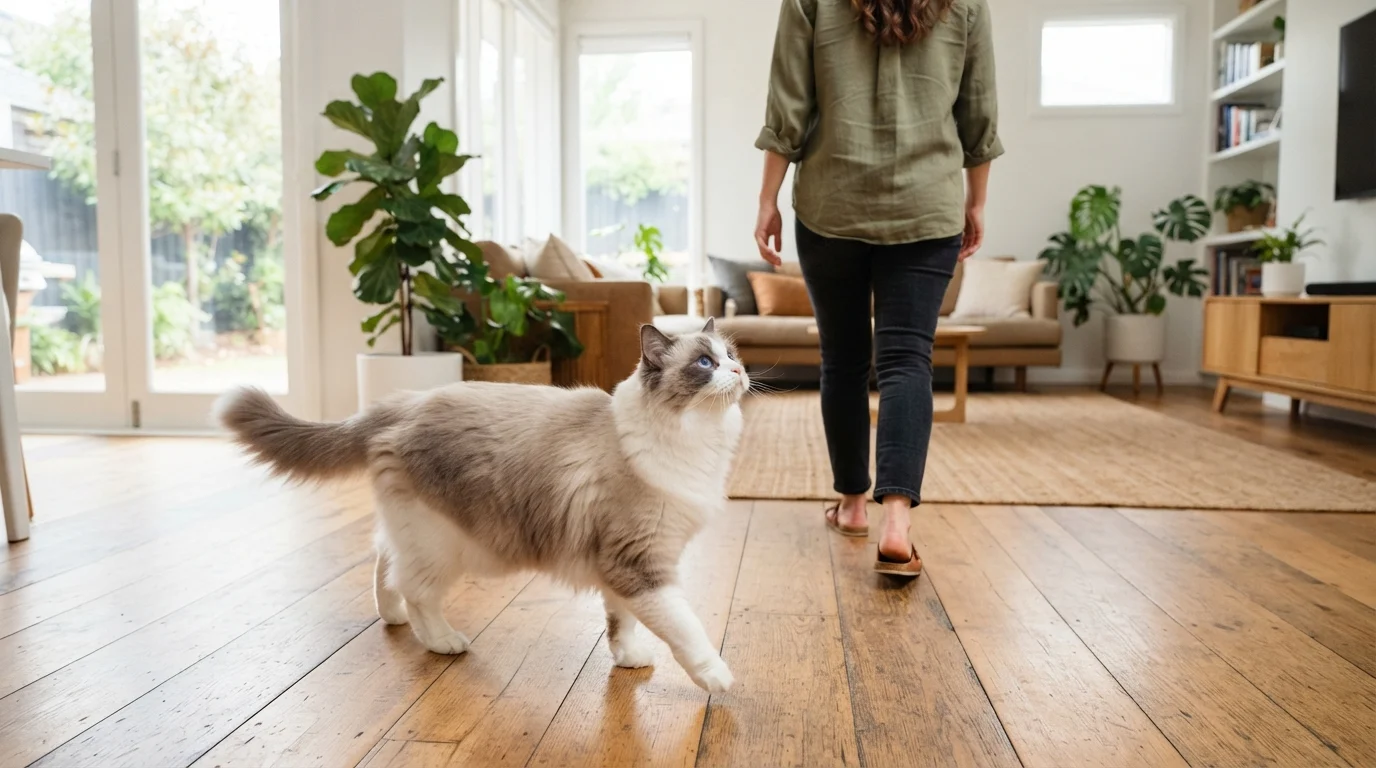
- The Human Shadow: If you move from the living room to the kitchen, your Ragdoll will casually trot alongside you. If you sit down at your home office desk, they will settle near your keyboard or curled around your feet.
- Interactive Play and Fetch: Many Ragdolls genuinely enjoy chasing soft crinkle balls, toy mice, or felt spirals and retrieving them, bringing the toy right back to your feet for another round.
- Floor-Level Socializing: While agile breeds like the Bengal or Abyssinian prefer surveying the household from the top of the refrigerator or high wall perches, Ragdolls prefer staying low, close to couch height and human eye level.
Do All Ragdolls Go Limp When Held?
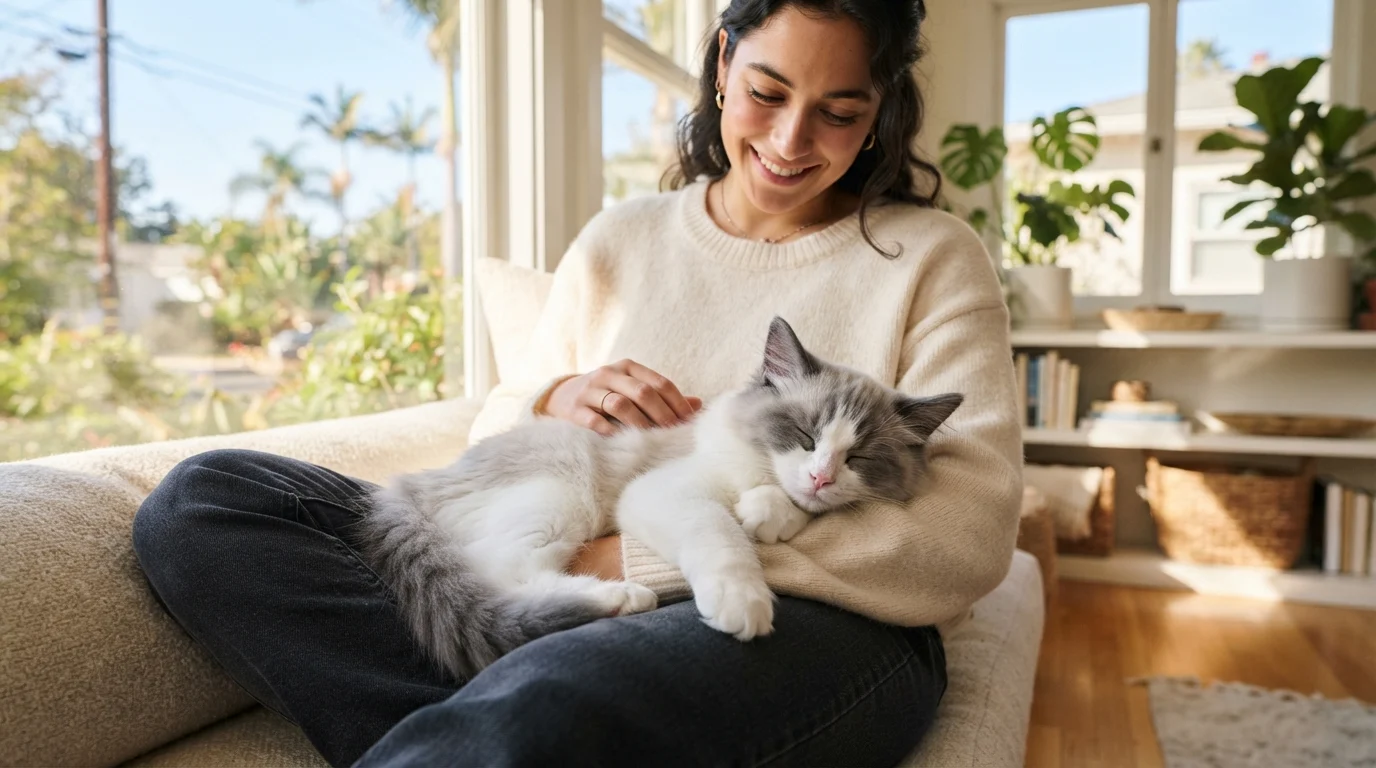
The trait that gave the Ragdoll its moniker—relaxing completely in your arms like a soft plush toy—is genuine, but it warrants a realistic explanation. Many Ragdolls will indeed drape themselves comfortably over your forearm or nestle backward across your chest like an infant, especially once they establish deep trust with their humans.
However, going limp is not an involuntary physiological reflex. It is an expression of profound relaxation and trust. A kitten that feels insecure, unaccustomed to being carried, or physically uncomfortable will naturally stiffen, wriggle, or ask to be set down. Respecting your cat’s personal boundaries is essential; cats that know their owners will never force them to stay restrained learn to relax much more completely when lifted.
Affection Styles: How Ragdolls Show Love
Every cat expresses affection in unique ways. In the ragdoll cat breed, human bonding generally falls into two complementary styles: lap cats and companion shadows.
Lap Seekers and Cuddlers
A substantial portion of Ragdolls are dedicated lap cats. The moment you sit down with a blanket or book, they will clamber aboard, knead gently with their paws, and purr loudly while falling into a deep sleep. They often enjoy chin scratches, gentle strokes along their silky cheeks, and chest rubs.
Close Companions and Floor Loungers
Other Ragdolls prefer what feline behaviorists call companion contact. Rather than demanding direct lap placement, these cats prefer to press their side against your thigh on the sofa, snooze across your feet in bed, or rest on an adjacent cushion where they can maintain physical contact while keeping a gentle eye on you. Both styles represent deep, loving attachment.
Ragdolls and Family Life: Children, Visitors, and Other Pets
Because Ragdolls lack the sharp defensive edge found in some other breeds, they adapt remarkably well to busy households. When raised with thoughtful early handling, they tend to be exceptionally patient companions for gentle children. Rather than lashing out with claws when startled or overhandled, a Ragdoll’s instinct is almost always to simply walk away to a quieter spot.
Their placid, social nature also makes them well-suited for multi-pet homes. When properly introduced, Ragdolls often form sweet bonds with family dogs and other cats. They tend to welcome visitors warmly rather than bolting into hiding when the doorbell rings, making them wonderful hosts for social families across Southern California.
Because their trusting nature leaves them poorly equipped to defend themselves against neighborhood hazards, busy roads, or outdoor predators, these gentle cats should always remain safe within the home. Discover practical tips on enriching their indoor environment in our guide on why Ragdoll cats thrive indoors.
The Importance of Early Socialization and Care
While genetics provide the blueprint for an easygoing temperament, early upbringing turns that potential into reality. A kitten that is isolated in a back room or raised without daily human interaction during its formative weeks may grow up timid or nervous regardless of breed heritage.
For prospective families seeking ragdoll kittens in Southern California, finding an ethical, hands-on breeder is essential. Conscientious breeders prioritize gentle social immersion from birth, acclimating young kittens to household noises, gentle hands, grooming routines, and family life. At SoCal Ragdolls, kittens are raised in a warm domestic environment and are never released to their new adoptive families before 12 weeks of age. This crucial window allows kittens to develop complete physical strength, emotional maturity, and the confidence needed to settle seamlessly into new homes throughout Los Angeles, Orange County, and the Inland Empire.
Nurturing Affection: How to Bond With Your Ragdoll
Even the sweetest Ragdoll needs time, consistency, and respect to display their full personality. If you are preparing to welcome a kitten home, deliberate bonding techniques help build a lifelong bond of affection:
- Create a Calm Arrival Space: Moving to a new environment is a big transition. Set up a secure, quiet starter room before opening the whole home. You can follow our step-by-step checklist on how to prepare your home for a Ragdoll kitten to create an inviting environment.
- Use Gentle, Consistent Grooming: Ragdolls have silky, semi-long single coats that rarely mat compared to double-coated breeds, but they still benefit from regular brushing. Brushing with a soft slicker brush or steel comb doubles as soothing physical bonding. Learn practical grooming habits in our guide to 10 Ragdoll grooming tips.
- Respect Their Body Language: While Ragdolls are famous for their tolerant nature, paying attention to small signals—such as an ear twitch, a flicking tail tip, or shifting weight—ensures they always feel safe with you.
- Engage in Daily Interactive Play: Dedicating 10 to 15 minutes twice a day to interactive wand toys strengthens your bond while keeping your cat physically stimulated and lean.
- Avoid Scolding: Ragdolls are sensitive cats that respond best to gentle reinforcement, soft praise, and predictable routines.
Are There Any Downsides to Their Clingy Nature?
While their intense devotion is wonderful for people seeking a dedicated companion, it does come with a few responsibilities prospective owners should weigh carefully:
- They Dislike Solitude: Ragdolls are profoundly social creatures. If your household is empty for twelve hours every day, an only Ragdoll may become lonely or stressed. Families working long hours outside the home often consider adopting two kittens together or ensuring another friendly pet is present for company.
- Trip Hazard Tendencies: Because they follow closely behind their owners, they frequently walk directly underfoot. Becoming accustomed to shuffling your feet when walking through dim hallways becomes second nature to a Ragdoll owner.
- High Need for Interaction: If you are seeking an independent, self-sufficient cat that only checks in at mealtime, the Ragdoll breed may feel surprisingly demanding in its appetite for daily companionship.
Welcoming an Affectionate Companion
So, are Ragdoll cats as affectionate as they say? For those who treat them with warmth, patience, and gentle respect, the answer is an undeniable yes. Their sweet temperament, deep human loyalty, and puppy-like companionship have earned the ragdoll cat breed its well-deserved standing as one of the most loving family pets in the world.
If you are exploring the breed in Southern California and want to learn more about coat colors, grooming, and personality, explore our comprehensive Ragdoll cat breed personality and care guide. Prospective kitten parents are also welcome to contact SoCal Ragdolls directly to learn more about our upcoming litters and ethical breeding practices.
Frequently asked questions
Why are Ragdoll cats compared to dogs or puppies?
Ragdoll cats frequently display behavioral traits commonly associated with dogs: running to greet you at the front door, trailing you throughout the house, learning basic games like fetch, and seeking direct physical companionship without feline aloofness.
Do all Ragdoll cats go completely limp when held?
While many Ragdolls relax deeply and can go limp in your arms—giving the breed its famous name—not every individual cat does so. Comfort with being carried depends heavily on respectful handling, individual temperament, and early kitten socialization.
Where can families find ethical Ragdoll kittens in Southern California?
Families searching for healthy, well-socialized Ragdoll kittens in Southern California can research dedicated catteries that raise kittens indoors with hands-on socialization, comprehensive care, and clear placement standards, such as SoCal Ragdolls serving Southern California and the greater Los Angeles area.