SOCAL RAGDOLLS JOURNAL
The Ragdoll Cat Breed: Personality, Care, and Complete Guide
Explore the enchanting world of the Ragdoll cat breed. From their sweet, dog-like temperament and signature blue eyes to grooming, nutrition, and daily care, discover what makes Ragdolls such beloved companions.
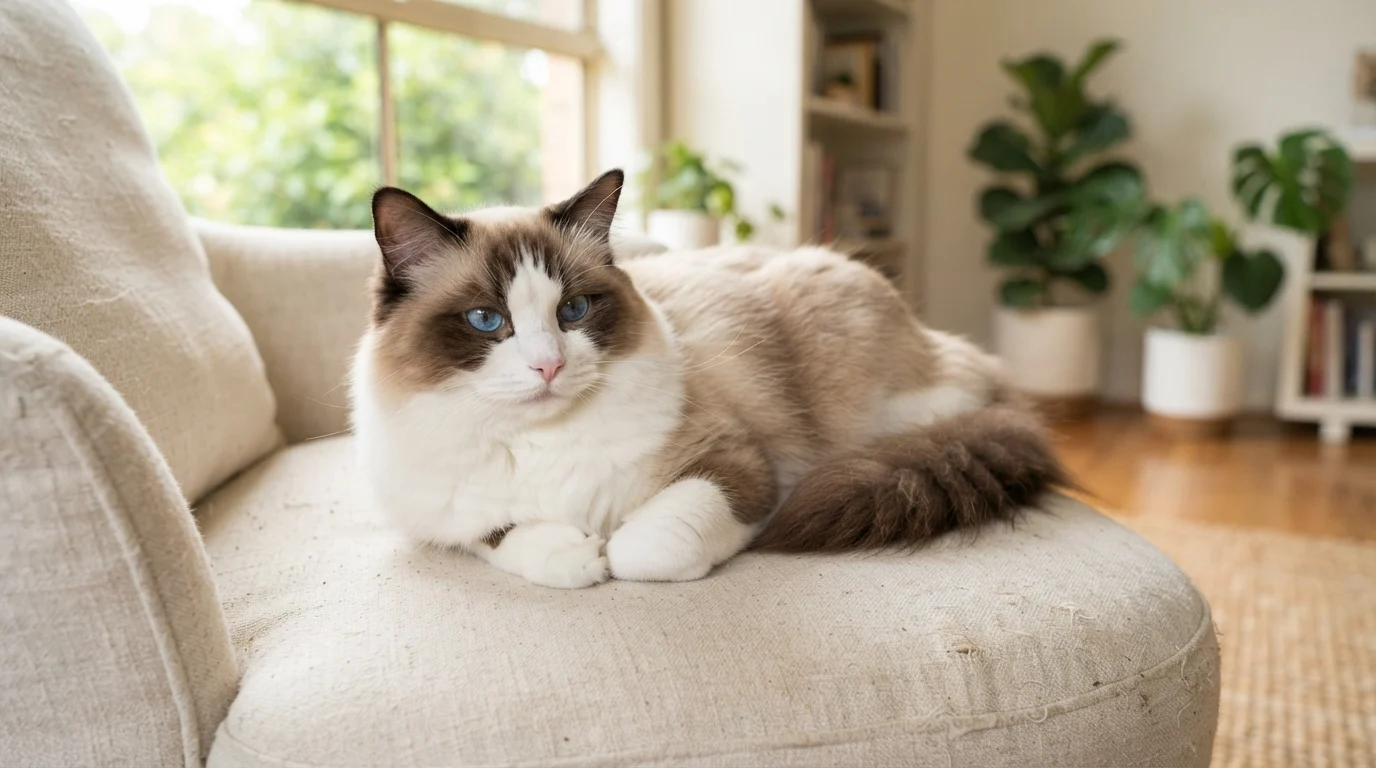
With their striking blue eyes, silky rabbit-soft coats, and famously docile temperaments, it is easy to understand why the ragdoll cat breed has captured the hearts of cat enthusiasts around the globe. Known affectionately as the “gentle giants” of the feline world, Ragdolls bring a unique blend of companionable warmth, gentle curiosity, and serene charm to the household.
Whether you are considering welcoming your very first kitten or simply researching this captivating breed, understanding their background, personality traits, and daily care requirements is the first step toward a rewarding, lifelong partnership.
The Story Behind the Breed
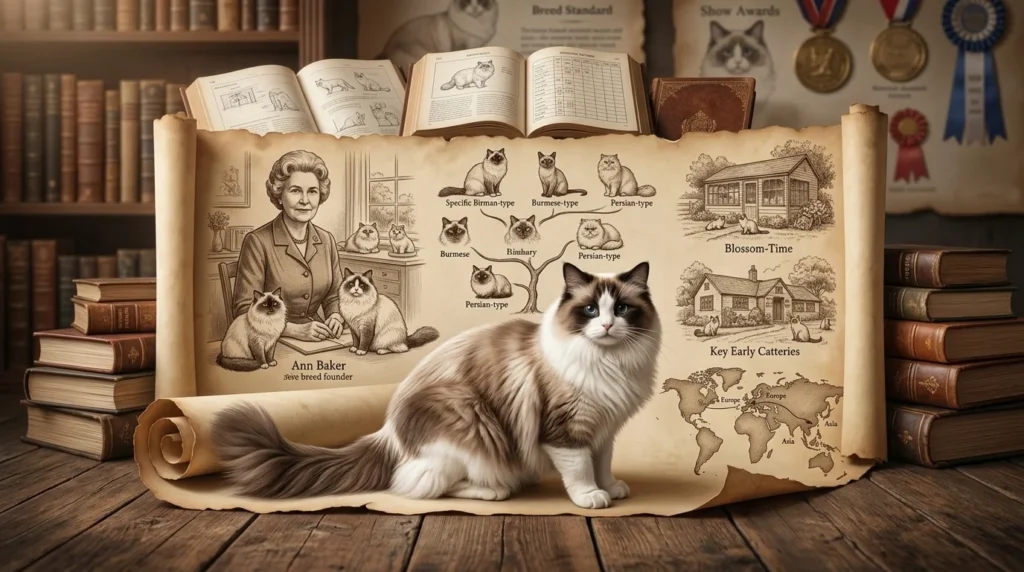
Unlike ancient domestic breeds that developed organically over centuries, the Ragdoll has a relatively recent and carefully documented heritage. Developed in the 1960s by breeder Ann Baker in Riverside, California, the breed was established through selective matings of free-roaming domestic longhaired cats known for their exceptionally placid dispositions and striking pointed coats.
If you enjoy feline heritage, you can explore the fascinating details in our guide on the California origins of the Ragdoll cat. From those southern California beginnings, the breed gained formal recognition from major cat registries such as The International Cat Association (TICA) and the Cat Fanciers’ Association (CFA), growing into one of the most popular registered cat breeds worldwide.
The Ragdoll Personality: What Are They Really Like?
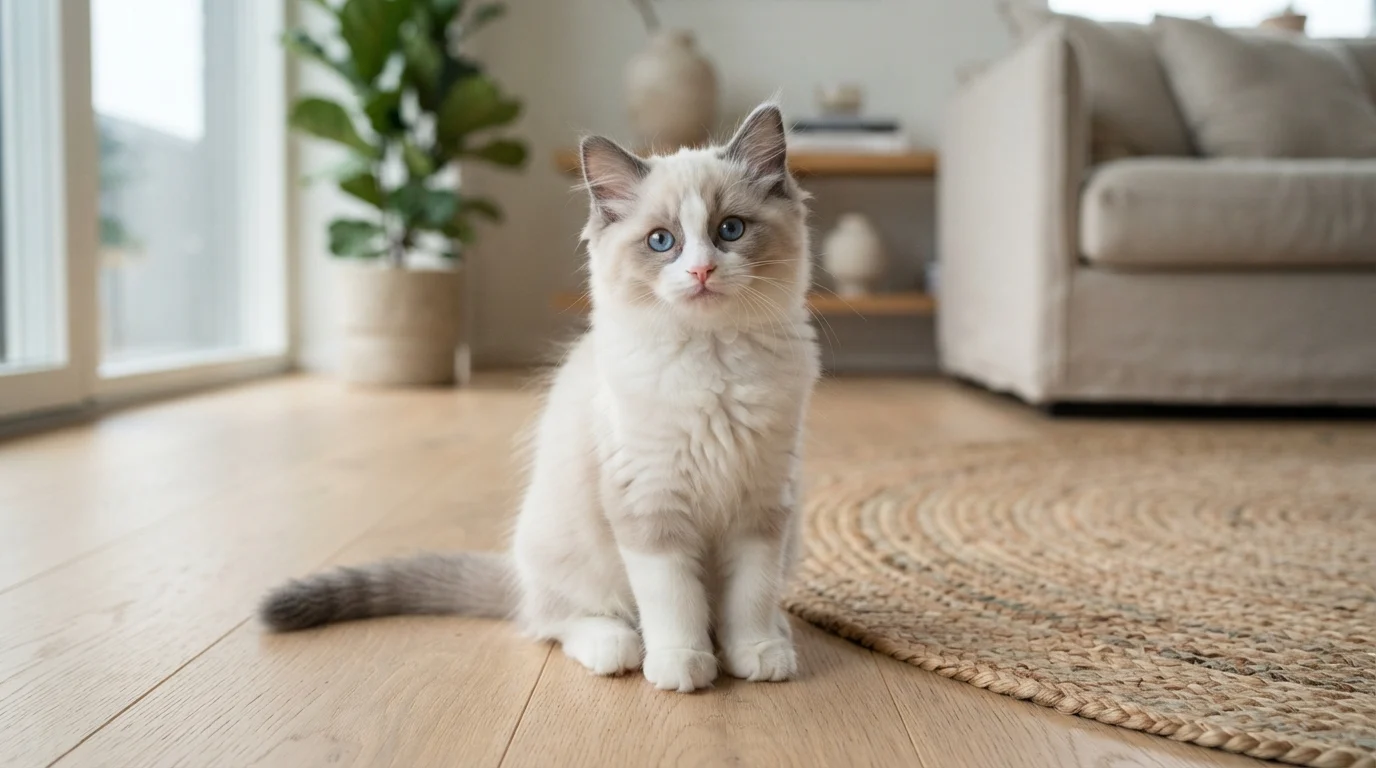
The defining hallmark of the ragdoll cat breed is its sweet, people-oriented temperament. While every cat possesses an individual personality, well-bred Ragdolls share several recognizable behavioral characteristics.
The “Puppy-Cat” Reputation
Ragdolls are frequently described as “puppy-like” because they actively seek out human company. Instead of perching high atop the tallest bookshelf or hiding in a quiet closet, a Ragdoll is far more likely to greet you at the front door, follow you leisurely from room to room, and supervise your daily routine from a comfortable vantage point nearby.
Many Ragdolls readily learn basic interactive games like fetch, happily carry lightweight toys around in their mouths, and answer to their names when called. Their desire for gentle connection makes them outstanding companions for people who want a present, interactive pet.
The Famous “Limp” Relaxation
The breed earned its distinctive name from a tendency observed in early foundation lines: when picked up and held securely by someone they trust, many Ragdolls relax their muscles completely, going limp much like a child’s stuffed ragdoll. While not every individual cat goes entirely limp, the breed is generally known for accepting handling with remarkable grace, patience, and ease.
Harmony in Multi-Pet and Family Homes
Because of their even-keeled nature, Ragdolls tend to thrive in busy households. They are known for being patient with respectful children and often coexist harmoniously with other cats and cat-friendly dogs. If you are evaluating how this breed fits into a lively domestic setting, our article on why you should consider a Ragdoll for your family provides practical insights into their household dynamics.
Physical Characteristics and Appearance
Ragdolls are large, muscular cats with substantial bone structure and a moderately long, broad body. Beneath their plush exterior lies a solid, sturdy frame.
- Size and Weight: Mature males typically weigh between 15 and 20 pounds, while adult females generally range from 10 to 15 pounds.
- Slow Maturity: Ragdolls are a slow-maturing breed. They often do not reach full physical size, weight, and coat density until they are three to four years of age.
- Eyes: A genuine Ragdoll always has vivid, expressive oval eyes in distinct shades of blue, ranging from pale sapphire to deep, luminous cobalt.
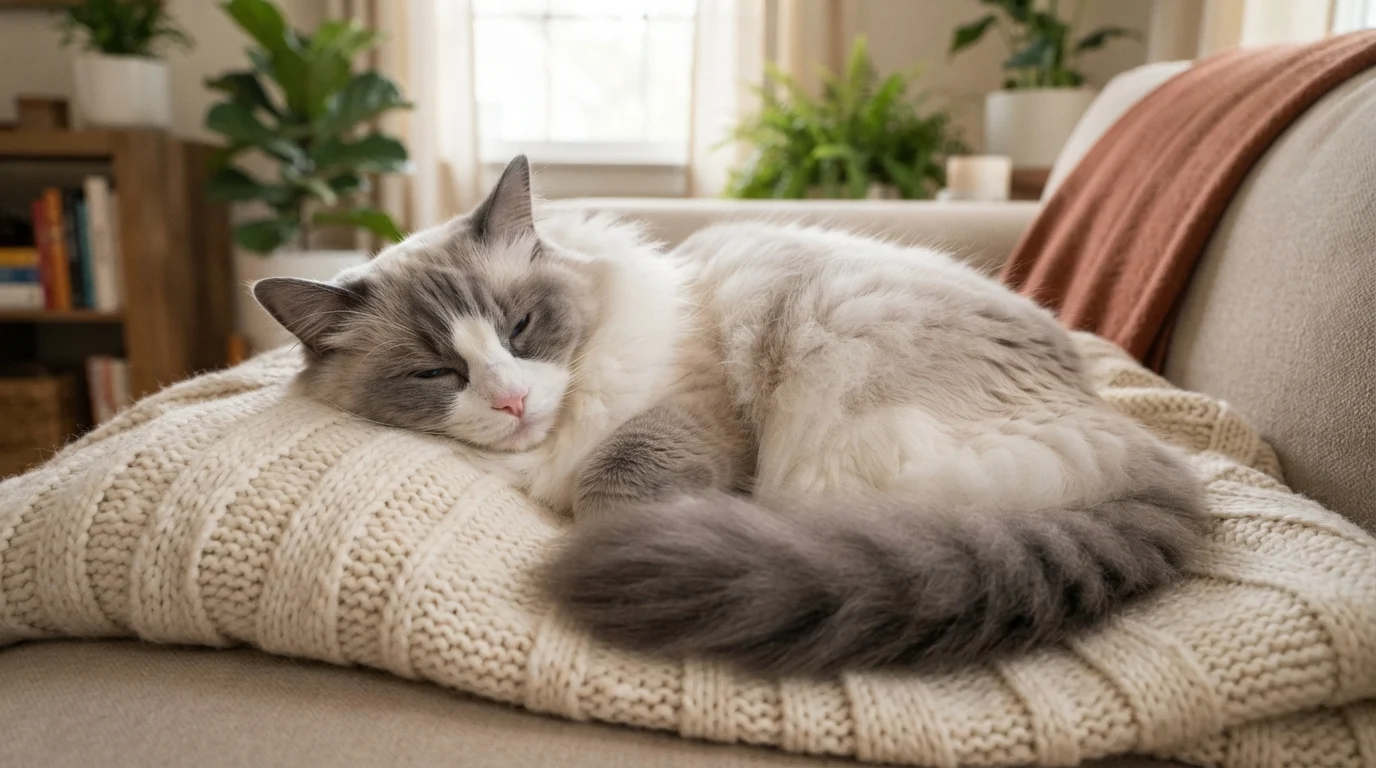
- Coat Texture: The coat is semi-long, plush, and silky. Importantly, Ragdolls have minimal undercoat, which gives the fur an airy, flowy quality that is less prone to severe matting compared to double-coated breeds like Persians.
All Ragdoll kittens are born pristine white. Their color points gradually begin to emerge during their first few weeks of life and continue to deepen and mature over several years. To learn more about standard patterns—including colorpoint, mitted, and bicolor variations—read our overview of Ragdoll cat colors and patterns.
Grooming and Coat Care
Although their luxurious coat appears high-maintenance, grooming a Ragdoll is surprisingly manageable thanks to their single-layer fur structure. Regular maintenance keeps their coat glossy, distributes natural skin oils, and dramatically reduces hairballs.
A Consistent Brushing Schedule
Brushing your Ragdoll two to three times a week with a stainless-steel comb or a gentle slicker brush is typically sufficient to keep loose fur in check. Pay particular attention to friction zones where small tangles can form, such as under the armpits, behind the ears, and around the britches on the hind legs.
For step-by-step techniques and tool recommendations, take a look at our 10 Ragdoll grooming tips.
Routine Hygiene
In addition to coat care, incorporate basic wellness habits into your routine from an early age:
- Nail Trimming: Clip the sharp tips of their claws every two to three weeks using cat-safe trimmers.
- Ear Checks: Inspect ears periodically for excess wax or debris, wiping gently with a vet-approved cleanser if necessary.
- Dental Care: Periodontal health is critical for overall feline longevity. Introduce tooth brushing with feline-safe enzymatic toothpaste early on, or discuss dental care routines with your veterinarian.
Creating an Ideal Indoor Environment
Because of their trusting, non-defensive demeanor and lack of streetwise instincts, the ragdoll cat breed is strictly suited for life as an indoor companion. Their gentle temperament means they rarely perceive environmental dangers such as traffic, aggressive neighborhood animals, or territorial disputes.
Keeping your cat indoors does not mean depriving them of enrichment. You can discover balanced ways to stimulate their natural instincts in our article on why Ragdoll cats thrive indoors.
Safety and Home Preparation
Before bringing a new cat home, take time to evaluate your living spaces from a feline perspective. Ragdolls are curious and may explore low cabinets, open laundry appliances, or dangling cords.
Plant toxicity is an especially vital safety consideration. Many common household plants—including lilies, pothos, and sago palms—can pose life-threatening dangers if nibbled. Review our guide to toxic plants for Ragdoll cats to verify your home is completely pet-safe.
If you are welcoming a young kitten soon, following a structured preparation checklist can eliminate last-minute stress. Check out our step-by-step guide on how to prepare your home for a Ragdoll kitten alongside our complete supply checklist to ensure you have all essential litter pans, scratching posts, and cozy resting spots ready.
Nutrition, Hydration, and Health
Supporting a large, muscular breed requires thoughtful attention to diet, weight management, and proactive veterinary care.
High-Quality Nutrition
Ragdolls benefit from nutrient-dense, high-protein diets designed for obligate carnivores. Because they are not frantic jumpers and tend to lead peaceful indoor lifestyles, monitoring caloric intake is essential to prevent unnecessary weight gain. Carrying excess weight can place undue strain on their joints and cardiovascular system.
Hydration is equally critical for urinary tract and kidney health. Many Ragdolls prefer running water, making a circulating pet fountain an excellent investment to encourage regular drinking alongside moisture-rich wet food.
Breed Health Considerations
Like all domestic and pedigree cats, Ragdolls can be predisposed to certain genetic conditions. Reputable breeders work diligently to test breeding stock and minimize hereditary risks:
- Hypertrophic Cardiomyopathy (HCM): The most common form of heart disease in felines, characterized by thickening of the heart muscle. Responsible breeders test their kings and queens for known genetic mutations associated with HCM and utilize echocardiograms when recommended.
- Polycystic Kidney Disease (PKD): An inherited condition involving cysts on the kidneys, which can also be screened through DNA testing.
- Regular Vet Checkups: Schedule annual wellness examinations for young adult cats and bi-annual visits for seniors to monitor weight, bloodwork, dental status, and organ function. Always consult a qualified veterinarian regarding your cat’s specific dietary or medical needs.
Is a Ragdoll the Right Cat for You?
While the ragdoll cat breed is exceptionally adaptable, they are not solitary independent creatures who prefer being left alone for days at a time. They thrive on companionship, mutual affection, and gentle involvement in household activities. If your home has room for a devoted shadow who will gladly curl up beside your keyboard or lounge peacefully near your feet, a Ragdoll may be the ideal match.
At SoCal Ragdolls, we are passionate about raising healthy, beautifully socialized Ragdolls that embody the finest qualities of this remarkable breed. If you are located in Southern California and have questions about the breed, temperament, or upcoming plans, please feel free to reach out to us directly. We are always happy to share our knowledge and help you navigate your journey into the wonderful world of Ragdoll cats.