SOCAL RAGDOLLS JOURNAL
How to Prepare Your Home for a Ragdoll Kitten: A Room-by-Room Guide
Bringing home a Ragdoll kitten is an exciting milestone. Learn how to prepare your home room by room, create a soothing sanctuary space, and kitten-proof for safety.
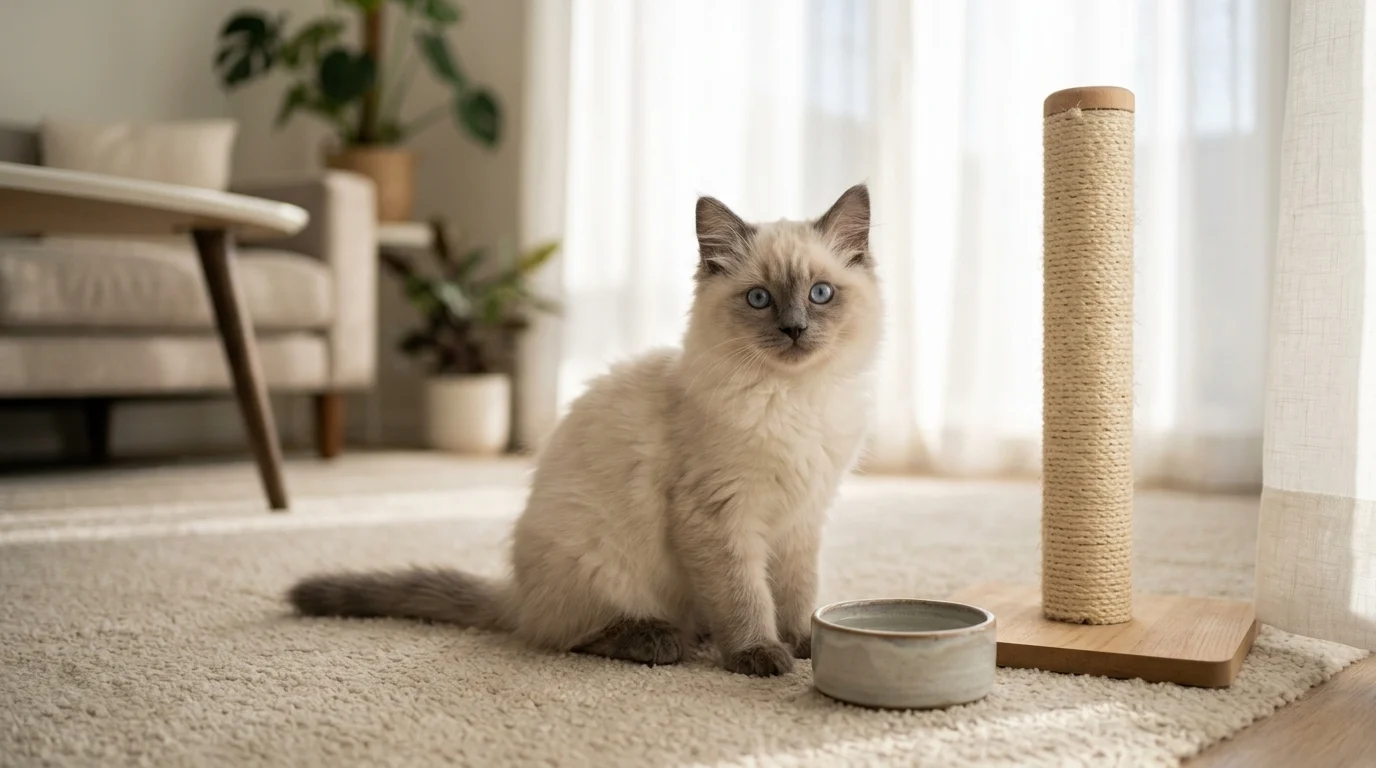
Bringing a new kitten into your family is an unforgettable milestone. With their signature plush coats, brilliant blue eyes, and famously affectionate dispositions, Ragdolls make wonderful companions. However, before you welcome your new feline friend through the front door, taking time to thoroughly prepare for a Ragdoll kitten will ensure a safe, calm, and seamless transition for everyone involved.
Because Ragdolls are naturally trusting, relaxed, and curious, they often lack the sharp defensive wariness found in more cautious cat breeds. A curious kitten will investigate every small corner, chew on intriguing cords, and wedge themselves into surprising crevices. By planning ahead and setting up your living space with care, you can prevent accidents and help your kitten feel secure from day one.
1. Establish a Dedicated Sanctuary Room
While it might be tempting to give your new arrival free rein of the entire house, doing so can quickly overwhelm a young kitten. A whole house presents endless unfamiliar sounds, scents, and hiding places that can cause stress.
Instead, choose a quiet, low-traffic room to serve as your kitten’s temporary sanctuary for their first week or two. A spare bedroom, a quiet office, or an enclosed bathroom works well. This space provides a controlled environment where your kitten can adjust to the sounds and rhythms of your household without sensory overload.
Equip the sanctuary room with the essentials:
- Litter box: Choose a box with low sides so tiny kitten legs can easily step in and out. Keep it several feet away from food and water dishes.
- Food and water stations: Separate bowls for fresh water and high-quality kitten food. Stainless steel or heavy ceramic dishes are ideal because they resist bacteria and will not easily tip over.
- Comfortable bedding: A cozy cat bed or a soft fleece blanket tucked into a quiet corner gives your kitten a secure place to retreat.
- Scratching surfaces: Introduce a sturdy sisal post or cardboard scratcher right away so good scratching habits form immediately.
- Safe toys: Soft plush mice, crinkle balls, and small kicker toys keep young minds engaged without posing choking hazards.
Before stocking up on supplies, consult our complete guide on what to buy for your Ragdoll kitten to make sure you have every necessary item on hand before pickup day.
2. Room-by-Room Kitten-Proofing
Kitten-proofing requires looking at your home from floor level. Get down on your hands and knees to see what looks enticing, accessible, or potentially dangerous to an eight- to twelve-week-old kitten.
The Living Room and Common Areas
The living room is often where families spend the most time, making it a central hub of activity. Ensure safety by addressing these common hazards:
- Electrical cords: Phone chargers, lamp cords, and entertainment center cables look like intriguing toys. Bundle loose wires into cord protectors, split-tubing, or run them through cord concealers.
- Window coverings: Dangling cords from blinds present serious strangulation hazards. Tie cord loops up high out of reach or switch to cordless window coverings.
- Recliners and folding furniture: Mechanical recliner chairs and sofa beds are notoriously dangerous for curious kittens who love crawling beneath dark mechanisms. Check underneath before operating any moving furniture.
- Fragile decor: While Ragdolls are generally more grounded than athletic breeds like Abyssinians, kittens still jump onto coffee tables and sideboards. Store delicate glass figurines, heavy picture frames, and open candles securely away.
The Kitchen and Dining Room
Kitchens present a blend of heat, moisture, and tempting smells. Keep your kitten safe with a few practical rules:
- Stovetops: Modern smooth induction and glass cooktops stay hot long after the flame is off. Train your kitten early that kitchen counters are off-limits, and never leave cooling pans unattended.
- Trash cans: Ensure trash containers have tight-fitting lids. Bones, wrappers, and discarded scraps can cause intestinal blockages or toxic ingestion.
- Cabinet doors: Use childproof latches on lower cabinets that store cleaning supplies, dish tabs, or pest controls.
Bathrooms and Laundry Rooms
Bathrooms and utility closets present small spaces with high moisture and chemical exposure risks:
- Keep toilet lids closed: Young kittens can slip into an open toilet bowl while exploring and struggle to climb out.
- Washer and dryer vigilance: Always check inside drum barrels before loading or starting laundry. Warm, dark appliances are irresistible sleeping spots for kittens.
- Medications and toiletries: Human pain relievers, dental floss, cotton swabs, and hair ties are extremely hazardous if swallowed. Keep countertops clear and store all medications securely behind closed medicine cabinets.
3. Inspect Your Houseplants for Toxicity
Many common household plants are toxic to cats, ranging from mild stomach upset to fatal organ failure. Because Ragdoll kittens love to chew on interesting textures, a thorough botanical sweep of your home is vital before bringing your kitten through the door.
Lilies (including Easter lilies, Daylilies, and Tiger lilies) are especially lethal to felines; even brushing past pollen and grooming it off their coat can cause acute kidney failure. Other common plants like pothos, philodendron, snake plants, and monstera can cause significant oral irritation, drooling, and vomiting.
Review our detailed reference on toxic plants for Ragdoll cats to identify which varieties should be removed entirely from your home, and replace them with cat-safe greenery such as spider plants, Boston ferns, or a pot of fresh cat grass.
4. Plan for Indoor Safety and Window Screens
Ragdolls are bred specifically for gentle, trusting temperaments and should always live as indoor-only pets. They generally lack the territorial aggression and street sense required to navigate busy roads, predators, or stray neighborhood animals.
To keep your kitten protected indoors while still enjoying fresh coastal breezes:
- Check all window screens for tears, holes, or loose frames that a climbing kitten could pop out.
- Ensure sliding patio doors have secure stops so they cannot accidentally slide open.
- If you plan to provide outdoor enrichment in the future, read our overview on why Ragdoll cats thrive indoors and learn how to introduce supervised patio catios or safe harness training once your kitten is older.
5. Prep for Coat Care and Daily Handling
One of the most rewarding aspects of raising a Ragdoll is caring for their luxurious, semi-longhair coat. Ragdolls have a silky coat with minimal undercoat, which makes them less prone to matting than Persians, but early grooming exposure is still essential.
Have your grooming supplies ready in your kitten’s sanctuary room. A gentle stainless steel comb (often called a greyhound comb), a soft slicker brush, and cat-safe nail clippers should be on hand. Practicing short, positive grooming sessions of one to two minutes during the first few weeks helps your kitten view brushing as an enjoyable bonding ritual. For step-by-step techniques, explore our guide to 10 Ragdoll grooming tips.
6. The First 48 Hours: Bringing Your Kitten Home
When pickup day arrives, following a predictable routine minimizes anxiety for both you and your kitten:
- Transport calmly: Use a secure, well-ventilated carrier lined with a soft blanket. Keep the car ride quiet, avoiding loud music or sudden temperature changes.
- Head straight to the sanctuary room: Place the carrier on the floor, open the carrier door, and let your kitten step out at their own pace. Never force them out.
- Show them the essentials: Gently place your kitten in their litter box so they know where it is located. Offer fresh water and a small portion of the food recommended by your breeder.
- Keep interactions gentle: Allow your kitten to explore the room while you sit quietly nearby on the floor. Let them come to you for affection. Supervise young children carefully and instruct them to use quiet, slow movements.
- Watch eating and litter habits: A slight decrease in appetite is normal during the first 24 hours due to excitement and stress. However, your kitten should drink water and use their litter box reliably within their first day.
Ready to Welcome Your Ragdoll?
Taking the time to prepare your home for a Ragdoll kitten sets the foundation for years of harmonious companionship. When kittens enter an environment designed with their safety and comfort in mind, their true personalities blossom quickly, bringing warmth, purrs, and endless affection to your home.
If you are planning for a future companion or have questions about welcoming a new kitten, feel free to reach out to SoCal Ragdolls. We are always happy to support new and prospective pet parents on their journey.