
SOCAL RAGDOLLS JOURNAL
10 Ragdoll Grooming Tips for a Healthy, Beautiful Coat
Ten practical Ragdoll grooming tips covering brushing, mats, nails, ears, bathing, shedding, grooming tools, and how to build an easy routine.
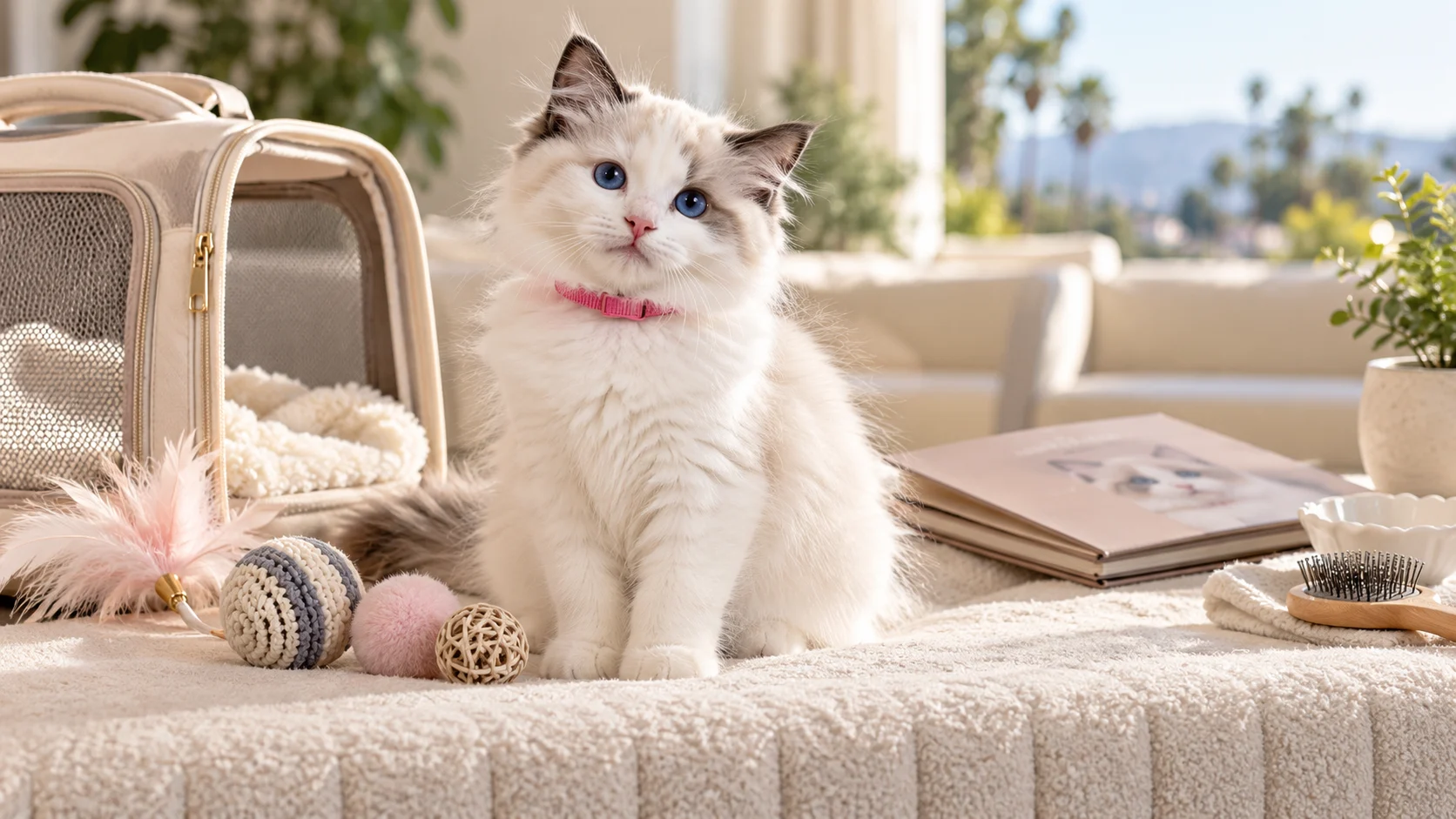
Ragdolls are known for their soft, semi-long coats. The good news is that coat care does not have to become a complicated project. A simple routine, the right tools, and gentle handling can keep grooming manageable while helping you notice tangles, skin changes, or other concerns early.
These 10 Ragdoll grooming tips are a practical starting point for kittens and adult cats. Every cat is different, so adjust the routine to coat length, shedding, activity level, and your veterinarian’s recommendations.
1. Brush consistently instead of waiting for tangles
A short brushing session on a regular schedule is usually easier than trying to remove multiple tangles at once. Focus on areas where friction occurs, including behind the front legs, around the chest, under the collar area, and around the hindquarters.
For many cats, several brief sessions each week are more comfortable than one long grooming session.
2. Use a comb to check your work
A brush can make the surface of the coat look smooth while a small tangle remains underneath. After brushing, gently run a wide-tooth or stainless-steel comb through the coat. If the comb catches, slow down and work through that section without pulling.
3. Start grooming when your Ragdoll is young
Kittenhood is an ideal time to make grooming normal. Keep early sessions short and positive. Touch the paws, look at the ears, brush a small area, and stop before the kitten becomes frustrated.
Building familiarity now can make nail trims, brushing, and routine handling much easier later.
4. Never yank through a mat
If you find a mat, avoid pulling hard with a brush. Hold the fur close to the skin to reduce tension and work gently from the outer edge of the tangle. For tight mats close to the skin, professional grooming or veterinary help can be safer than trying to cut them out yourself.
Scissors can injure a cat because thin skin may be pulled up inside a mat where it is difficult to see.
5. Keep nails on a regular schedule
Nail care is part of grooming. Check the claws routinely and trim only the sharp tip, avoiding the quick. If you are not comfortable identifying where to cut, ask your veterinarian or groomer to demonstrate.
Regular scratching surfaces are also important because scratching is a normal cat behavior.
6. Check ears rather than cleaning them automatically
Healthy ears often need very little intervention. During grooming, look for unusual debris, redness, odor, or sensitivity. Do not insert cotton swabs deep into the ear canal. If an ear looks abnormal or your cat is repeatedly scratching at it, contact your veterinarian rather than repeatedly cleaning it at home.
7. Bathe only when it is useful
Most healthy indoor cats do not need frequent baths. A bath may be useful if the coat becomes soiled or if your veterinarian recommends one. If you do bathe your Ragdoll, use a cat-safe product, rinse thoroughly, and keep the cat warm while drying.
Over-bathing can make coat care harder if it dries the skin or turns grooming into a stressful event.
8. Expect seasonal changes in shedding
Even indoor cats can shed more at certain times of year. During heavier shedding periods, increase brushing frequency to remove loose hair before it collects around the home or contributes to tangles.
In Southern California, indoor temperature control and year-round light exposure can make shedding patterns less dramatic than a simple winter/summer schedule, so watch your individual cat rather than relying only on the calendar.
9. Keep grooming tools simple and comfortable
You do not need a large collection of tools. A comfortable brush, a metal comb, and cat nail clippers cover many routine needs. The best tool is one you can use gently and consistently without scratching the skin or pulling the coat.
If a tool seems to irritate your cat, stop and reassess. Grooming should not be a battle.
10. Use grooming as a health check
While brushing, pay attention to more than the coat. Look for skin irritation, lumps, sore areas, parasites, changes around the eyes, or anything else that seems new. Check body condition as well. A fluffy coat can sometimes make changes in weight less obvious.
If you notice persistent skin problems, hair loss, pain, repeated ear issues, or sudden changes in grooming behavior, contact your veterinarian.
A simple Ragdoll grooming routine
The easiest routine is the one you can maintain. Keep grooming tools in one convenient place, choose a calm time of day, and keep sessions positive. A few minutes of brushing followed by a treat, play session, or quiet affection can help grooming become part of your Ragdoll’s normal routine.
Consistent care supports a beautiful coat, but it also gives you regular hands-on time with your cat—one more opportunity to notice changes and strengthen the bond you share.